What Is Dry-Fire & Why Does It Matter?
Dry-fire means practicing trigger pulls and sight alignment without using live ammunition. No bang. No recoil. No projectile. Just you, your firearm, and your training focus. It’s one of the most effective ways to build better fundamentals, and when done correctly, it’s totally safe for your gun.
Dry-fire, like all types of firearms training, is only safe when done responsibly. You’ll want to follow these golden rules:
-
Always triple-check that your firearm is unloaded
-
Remove all live ammunition from the room before training to eliminate any chance of a mix-up
-
Use a safe backdrop (like a wall, not a window), as you will be training with a real firearm.
-
Avoid distractions — stay focused
-
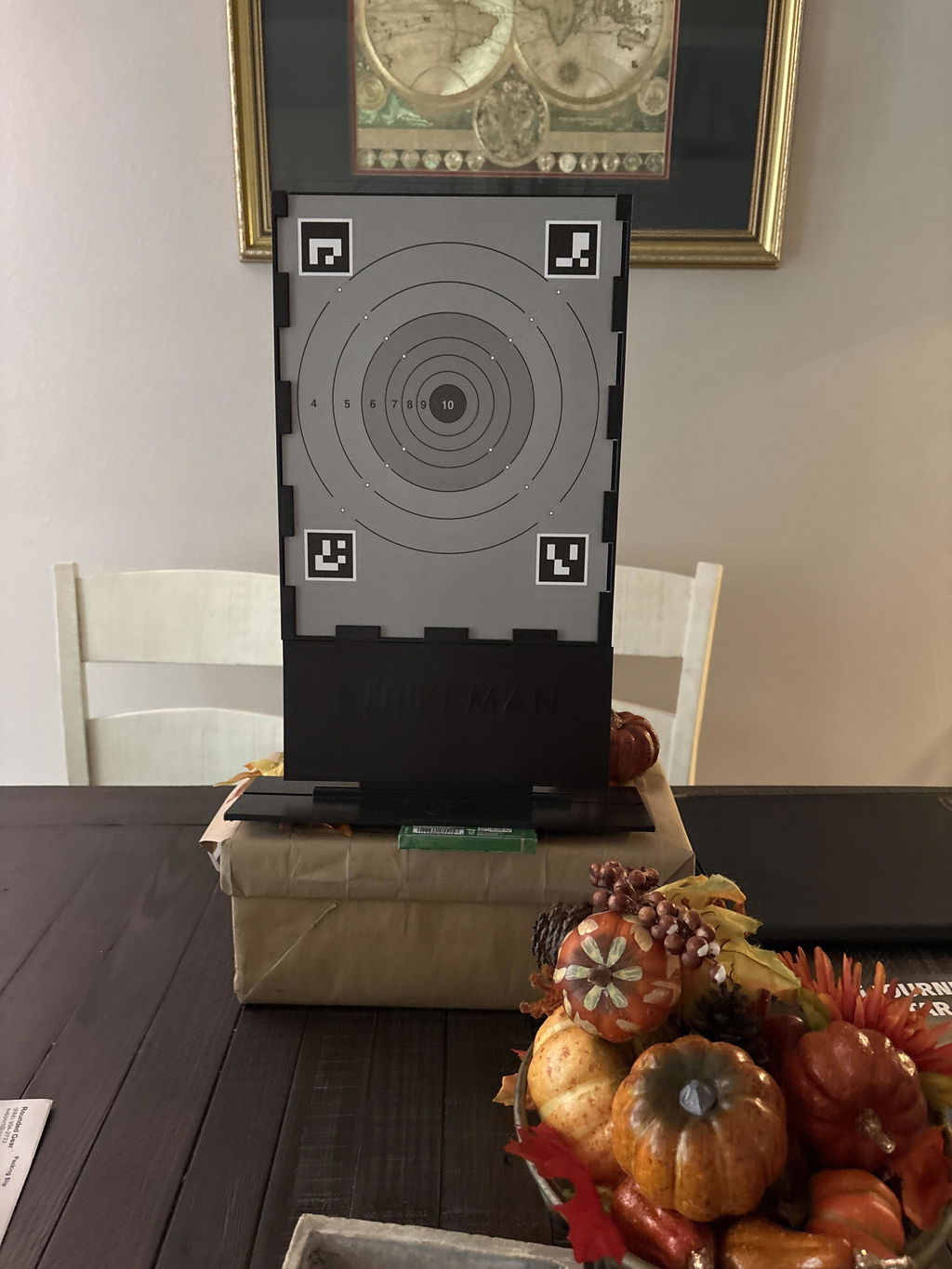
Use a laser cartridge (like Strikeman) for feedback and added peace of mind
Dry-fire is one of the most time-efficient, cost-effective ways to improve your shooting. If you’re using a modern centerfire firearm and following basic safety protocols, dry-fire is absolutely safe. Want to train with confidence? Check out Strikeman laser cartridges and dry-fire training kits, designed to protect your firearm while helping you shoot better & faster.
Where To Start When Training
Handgun Safety Training
Before you do anything else, you need to master firearm safety. A handgun is a powerful tool, and improper handling can have serious consequences. The first step in any handgun training is learning and practicing the four basic rules of firearm safety.
-
Treat every firearm as if it is loaded. Never assume a gun is unloaded, even if you just checked it.
-
Never point the muzzle at anything you are not willing to destroy. Keep the gun pointed in a safe direction at all times.
-
Keep your finger off the trigger until you are ready to shoot. This prevents negligent discharges and ensures better trigger discipline.
-
Be aware of your target and what is beyond it. Bullets can travel through walls, ricochet, or hit unintended targets if you’re not careful.
Every responsible gun owner should have these safety principles burned into their brain. If you’re new to firearms, consider taking a basic handgun safety course from a qualified instructor to ensure you fully understand these rules.
Fundamental Marksmanship Training
Once you have a solid understanding of safety, it’s time to focus on the fundamentals of marksmanship. A good shooter isn’t just someone who can hit a target, but someone who can do it consistently with control. The core elements of marksmanship include:
-
Grip: Your grip should be firm and high on the backstrap, with both hands working together to control recoil. A weak grip leads to poor shot placement and slower follow-up shots.
-
Stance: A proper stance provides stability and balance. The most common stances are the isosceles (both arms extended, feet shoulder-width apart) and the modified Weaver stance (support-side foot slightly back, slight bend in the arms).
-
Sight Alignment and Sight Picture: Your front sight should be centered and level with your rear sights. The target should be slightly blurred while the front sight remains in focus.
-
Trigger Control: A smooth, consistent trigger press prevents the gun from shifting as you shoot. Jerking the trigger will throw off accuracy.
-
Follow-Through: Proper follow-through ensures that each shot is executed correctly without unnecessary movement.
These fundamentals should be practiced regularly through both live fire and dry-fire training. Dry-fire training with a system like Strikeman allows you to refine these skills without burning through expensive ammo.
Defensive & Scenario-Based Training
Marksmanship is one thing, but shooting in a real-world situation is another. Defensive training helps shooters learn how to react under stress, shoot from unconventional positions, and engage targets effectively in a self-defense scenario. Some of the most important aspects of defensive training include:
-
Shooting while moving
-
Engaging multiple targets
-
Using cover and concealment
-
Low-light shooting techniques
-
Decision-making under pressure
-
While live fire is essential for defensive training, dry-fire drills can help reinforce proper tactics. With Strikeman, you can practice moving between cover, transitioning between targets, and drawing from concealment, all with real-time shot feedback.
Handgun Training With Strikeman
Becoming proficient with a handgun requires more than just a few trips to the range. You need to train consistently, focus on the fundamentals, and develop real-world defensive skills. From mastering trigger control to practicing quick draws and reloads, structured training is the key to becoming a confident and capable shooter. Dry-fire training with Strikeman allows you to refine your skills anytime, anywhere, without spending a fortune on ammo. If you’re serious about improving your handgun proficiency, make Strikeman a part of your training routine. With dry-fire training from Strikeman you’re able to train smart, shoot better, and build the confidence needed to handle your firearm effectively.
Why Firearm Training Is Crucial For Self-Defense
For those who carry a firearm for protection, training for quick decision-making and fast reactions is essential. In a high-stress situation, a shooter will default to what they have trained for. If their grip, sight picture, and trigger press are automatic, they can respond instinctively and effectively. Dry-fire training with Strikeman’s system provides the perfect platform for realistic, stress-free repetition, helping shooters build the muscle memory and reaction speed needed for real-world encounters.
Essential Dry-Fire Drills For Beginners
Now that you understand the fundamentals, let’s dive into some key drills that will help you become a better shooter. These exercises will improve everything from your draw speed to your trigger discipline.
The Perfect Trigger Press Drill
One of the biggest issues for new shooters is slapping the trigger or applying inconsistent pressure. This leads to poor shot placement and frustration at the range. The perfect trigger press drill helps develop smooth, controlled trigger pulls. How to do it:
-
Assume your normal shooting stance and grip.
-
Align your sights on a target (make sure the app is calibrated to your Strikeman target).
-
Slowly press the trigger while keeping the sights perfectly still.
-
Reset and repeat, ensuring there is no unnecessary movement.
-
Review your MOI in the Strikeman app to identify areas of improvement
The goal here is to eliminate any jerking or flinching. If your sights dip or shift when you press the trigger, you’re applying too much pressure too quickly.
The Draw & Fire Drill
A fast, smooth draw is essential for defensive shooting. The draw and fire drill builds muscle memory so you can get your gun into action quickly and efficiently. How to do it:
-
Start with your handgun holstered in your normal carry position.
-
On a signal or timer, grip your firearm and draw it straight up.
-
Rotate the gun forward while bringing your support hand into position.
-
Extend the firearm toward your target while acquiring your sights.
-
Dry-fire at the Strikeman target, keeping your sights steady.
-
Re-holster safely and repeat.
-
Review in the strikeman app to see the time between the start of the session and your first shot (timer and signal will indicate the start of the training session in the app)
Speed comes with repetition. Focus on efficiency and smoothness rather than rushing through the motions.
Shooting On The Run / Clearing The Room
In real-world scenarios, you rarely are stagnant and typically will need to check and enter a room to identify the threat. This drill helps you get used to properly clearing a room in a home defense scenario. How to do it:
-
Set up your Strikeman target and phone. Pick an area of the room that is not immediately visible from the doorway.
-
Enter the room, cautiously with your firearm pulled close to you. (Entering a room with your arms and gun extended could result in your weapon being taken from you in a real scenario).
-
Identify your target, take aim, and fire.
-
Find cover in the room and follow up with another shot.
-
Reset and repeat from the same room, or try a different area in the house.
-
Avoid overly focusing on your precision. Instead aim to be quick, focused, and simply on target.
-
Review your shot placement in the app following your training to see your grouping when in motion.
Tip: if you seem to be struggling to hit your mark, take a pause on the drill and fire some standard reps, focusing on your fundamentals. Then come back to the drill when your ready.
The Reload Drill
A fast reload can be a lifesaver in both competition and self-defense situations. This drill builds efficiency when swapping magazines under pressure. How to do it:
-
Start with an empty firearm and an empty spare magazine in your mag pouch.
-
Dry-fire on a target, then perform a mag change as quickly as possible.
-
Insert the fresh mag, reestablish your grip, and continue dry-firing.
-
Repeat the drill, aiming for faster reload times while maintaining control.
This drill is also great for reinforcing proper grip and hand positioning. Remember, when dry-fire training with a magazine only one shot will be fired before switching mags.
In Conclusion
Dry-fire training is essential for any responsible gun owner. Firearm experts and law enforcement all over the world agree dry-fire training is crucial for improving marksmanship. So make sure your weekly training routine includes dry-fire, and with Strikeman you can get high quality dry-fire training kits, real time feedback for improvements, and a one of a kind immersive training that is safe and affordable.